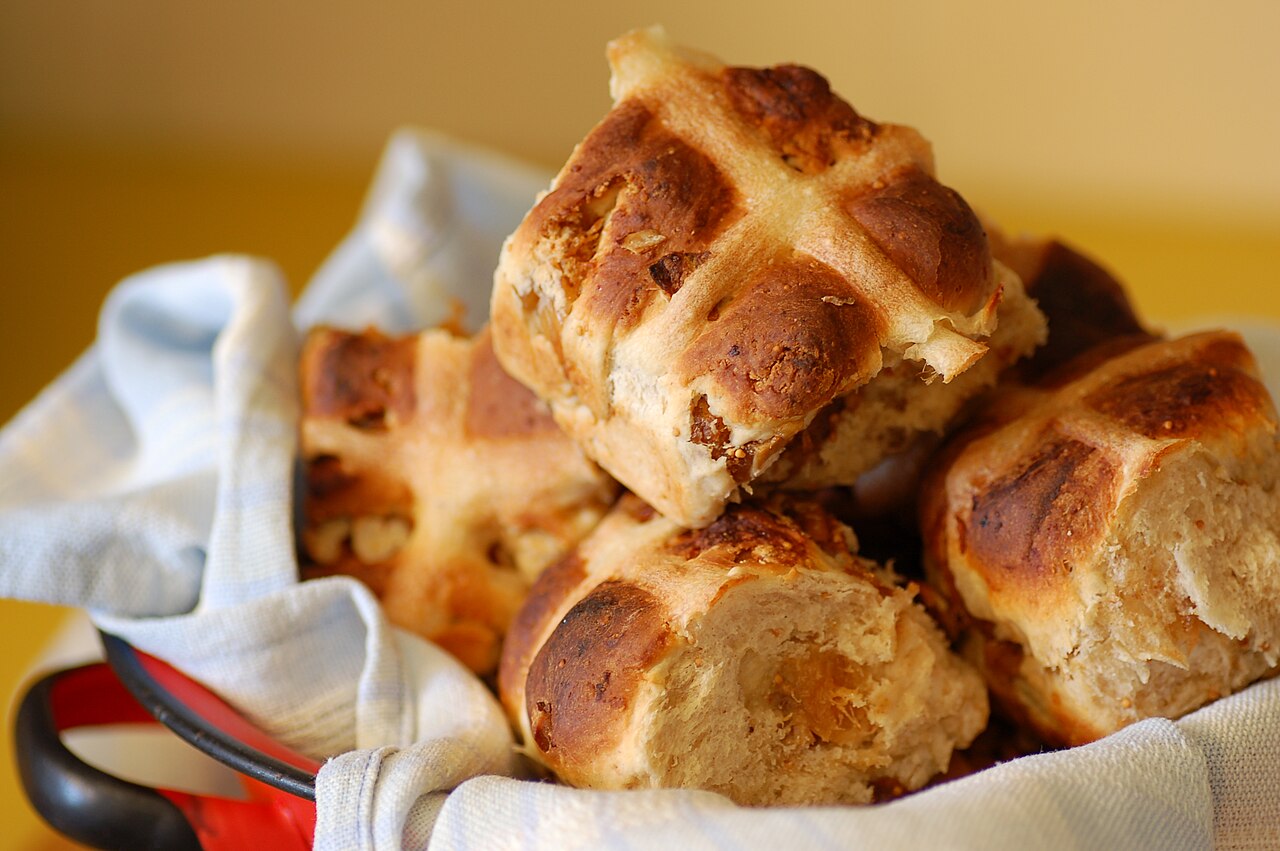
Mastering Hot Cross Buns: From Dough to Perfect Easter Treat
Easter brings with it a host of cherished traditions, and for many, none is quite as delicious or fragrant as the warm embrace of a freshly baked hot cross bun. These subtly sweet, spiced, and fruit-studded rolls, famously marked with a distinctive cross, are more than just a seasonal pastry; they are a symbol of comfort, renewal, and shared moments. While grocery store shelves overflow with their mass-produced counterparts, there's an undeniable magic in creating these iconic treats from scratch. The aroma that fills your home, the nuanced flavors, and the tender texture of homemade hot cross buns simply cannot be replicated by store-bought versions.
Embarking on the journey of baking your own hot cross buns transforms a simple recipe into a delightful culinary adventure. From the moment you begin kneading the enriched yeast dough to the final flourish of an orange glaze, each step contributes to an unforgettable Easter experience. This guide will walk you through mastering every aspect, ensuring your homemade hot cross buns are not just good, but truly exceptional.
The Heart of the Bun: Crafting the Perfect Dough and Flavor Profile
At the core of an irresistible hot cross bun lies its meticulously crafted dough and its signature flavor profile. Unlike a basic dinner roll, a hot cross bun boasts a richer, denser texture, sitting comfortably somewhere between a fluffy roll and a decadent cinnamon bun.
The Foundation: Enriched Yeast Dough
The unique texture of hot cross buns comes from an enriched yeast dough, meaning it includes a higher proportion of fat (butter) and eggs compared to a standard bread dough, along with a touch less milk. These additions contribute to a wonderfully soft yet substantial crumb that holds up beautifully to the sweet and spicy elements. Essential ingredients typically include all-purpose flour, active dry or instant yeast, butter, eggs, milk, and sugar.
Making the dough can be a hands-on process or made easier with kitchen appliances. Many home bakers find success using a bread machine for the kneading and first rise, allowing for minimal effort. Alternatively, a stand mixer fitted with a dough hook makes quick work of kneading, ensuring the dough develops the necessary gluten structure for a tender bun. Whichever method you choose, paying attention to the dough’s consistency – it should be soft, pliable, and slightly tacky – is key to success.
A Symphony of Spices and Fruit
What truly sets hot cross buns apart is their aromatic blend of spices and a generous scattering of dried fruit. Cinnamon, nutmeg, and allspice are the traditional stalwarts, infusing the dough with warmth and an inviting fragrance. For those who love to experiment, a pinch of cardamom can add an exotic, citrusy note that complements the other spices beautifully.
Sweetness predominantly comes from brown sugar, which lends a deeper, caramel-like richness than white sugar. When it comes to fruit, raisins are a classic choice. However, if you can find them, currants offer a slightly tarter, more delicate flavor that many traditionalists prefer. For an extra layer of complexity and brightness, consider adding orange zest or finely chopped candied orange peel directly into the dough. This citrusy counterpoint perfectly balances the warm spices and rich dough.
The secret to truly exceptional hot cross buns often lies in the quality and freshness of your spices. Ground spices lose potency over time, so starting with fresh, vibrant spices will make a noticeable difference in the final flavor. This attention to detail is just one of the reasons why
Homemade Hot Cross Buns: Why Fresh Spices Beat Store-Bought every time. The intense aroma and depth of flavor from freshly sourced spices elevate your buns from good to absolutely glorious.
The Iconic Cross and Lustrous Finish
No hot cross bun is complete without its defining mark. The cross, a symbolic representation, adds both visual appeal and an extra layer of texture or flavor, depending on how it's applied. Beyond the cross, a glossy finish and a vibrant orange icing provide the perfect sweet finale.
Two Paths to the Perfect Cross
There are two primary methods for creating the characteristic cross, each offering a distinct aesthetic and mouthfeel. Understanding these options allows you to choose the one that best suits your preference and baking style.
1.
The Flour Paste Cross: This is the most traditional method. A simple paste made from flour and water is piped onto the buns before they go into the oven. The trick here is achieving the right consistency. If the paste is too thin, it will spread and disappear during baking. Too thick, and it will result in hard, crispy ridges that can detract from the bun's soft texture. Aim for a consistency similar to thick pancake batter, firm enough to hold its shape but still pipeable. This method bakes into the bun, becoming an integral part of its structure, and while it firms up slightly, it remains delightfully chewy.
2.
The Icing Cross: For those who prefer a softer cross with an extra boost of sweetness and flavor, piping a thick, opaque icing onto the buns
after baking is the way to go. This typically involves a mixture of powdered sugar and a liquid, often milk or lemon juice, sometimes with a hint of vanilla or orange extract. This method allows for a very clean, bright white cross that stands out beautifully against the golden bun, and offers a melt-in-your-mouth texture.
Choosing between these methods can impact the overall experience. The flour paste is classic and rustic, while the icing cross offers a smoother, sweeter contrast. For a deeper dive into the nuances of each, and to find the perfect balance of aesthetics and taste, exploring resources like
Crafting Perfect Hot Cross Buns: Crosses, Spices & Orange Icing can provide invaluable insights.
The Glaze and the Orange Icing: A Sweet Finale
Once your hot cross buns emerge golden and fragrant from the oven, two crucial steps remain to achieve bakery-quality perfection.
First, a glossy glaze is often applied. This simple yet effective step involves brushing the warm buns with a mixture of heated apricot jam and a touch of water (or sometimes just the jam itself). The heat melts the jam, creating a thin, shiny layer that gives the buns a beautiful luster and helps to keep them moist. This is typically done immediately after baking.
Second, for an explosion of flavor, a vibrant orange icing is the ultimate finishing touch. This lush icing, often made with powdered sugar, orange juice, and perhaps a little orange zest, is applied liberally over the buns. It’s particularly delightful when brushed onto the buns while they are still warm, allowing the sticky, sweet orange essence to meld with the warm cinnamon spices. The combination of citrus and spice is truly a match made in heaven, elevating the entire hot cross bun experience.
Elevating Your Easter Tradition: Tips for Success
Baking hot cross buns is an incredibly rewarding experience, and with a few expert tips, you can ensure your Easter treats are consistently perfect.
- Proofing is Paramount: Yeast doughs require proper proofing to develop their light, airy texture. Ensure your dough doubles in size during its first rise in a warm, draft-free place. For the second rise after shaping, allow the buns to become visibly puffy. Under-proofed buns will be dense, while over-proofed buns can collapse.
- Don't Overbake: Hot cross buns are best when they are soft and tender. Overbaking can lead to dry, hard buns. Keep an eye on them towards the end of the baking time; they should be golden brown and sound hollow when tapped on the bottom.
- Customize Your Spices: While cinnamon, nutmeg, and allspice are traditional, feel free to adjust the ratios to your preference. A little extra cinnamon never hurt anyone! Experiment with a touch of ginger for an added kick, or cloves for deeper warmth.
- Fruit Options: If raisins or currants aren't your favorite, consider other dried fruits like chopped dried apricots, cranberries, or mixed peel. Soaking dried fruit in a little orange juice or rum for 30 minutes before adding to the dough can plump them up and add extra moisture and flavor.
- Storage and Reheating: Hot cross buns are best enjoyed fresh, ideally on the day they are baked. Store leftovers in an airtight container at room temperature for up to 2-3 days. For longer storage, they freeze beautifully for up to a month. To reheat, warm them gently in the microwave or a low oven until soft and fragrant.
- Serve Warm: While delicious at any temperature, a warm hot cross bun, perhaps split and buttered, is an unparalleled joy. The warmth enhances the spices and softens the dough to perfection.
Hot cross buns are more than just a recipe; they are a celebration of spring, tradition, and the simple pleasures of homemade baking. The effort you put into crafting these fragrant, fruit-filled rolls is repaid manifold in their exquisite taste and the joy they bring to your Easter table.
Conclusion
Mastering hot cross buns is a delightful culinary pursuit that promises immense satisfaction. From the careful preparation of the enriched yeast dough to the precise application of the iconic cross and the luscious orange icing, each step contributes to a truly magical Easter treat. The unparalleled freshness of homemade spices, the tender crumb, and the harmonious blend of sweet and spicy flavors create a sensory experience that store-bought versions can only dream of. So, this Easter, embrace the warmth of your kitchen, the aroma of baking spices, and the joy of creating these beloved buns from scratch. You'll not only be baking a delicious pastry, but also weaving new memories into the rich tapestry of your family's traditions.